Home Concrete Services That Hold Up
- 1 day ago
- 6 min read
A cracked driveway, a patio that never drained right, or a path that looks rough within a year usually comes back to one thing - the job was not done properly from the ground up. Good home concrete services are not just about pouring a slab and walking away. They are about site prep, formwork, finish quality, timing, and making sure the result suits how the space will actually be used.
For homeowners, builders, and property managers, that matters more than ever. Concrete is one of the first things people see when they pull up to a property, and it is one of the hardest things to ignore once it starts failing. If you are investing in new concrete, you want it to last, look sharp, and be completed by a team that knows how to handle the full job.
What home concrete services should actually include
A proper concrete contractor should be able to do more than one part of the process. If the same team can manage excavation, site preparation, boxing, placement, and finishing, the job tends to run cleaner and faster. There is less back-and-forth, fewer delays between trades, and better accountability from start to finish.
That is especially important on residential work where every inch counts. A driveway needs the right fall for drainage. A patio needs to sit well with the house and surrounding landscaping. House floors need a solid, level base. Paths should feel natural to walk on, not like an afterthought. When one crew sees the whole picture, the finished result usually reflects it.
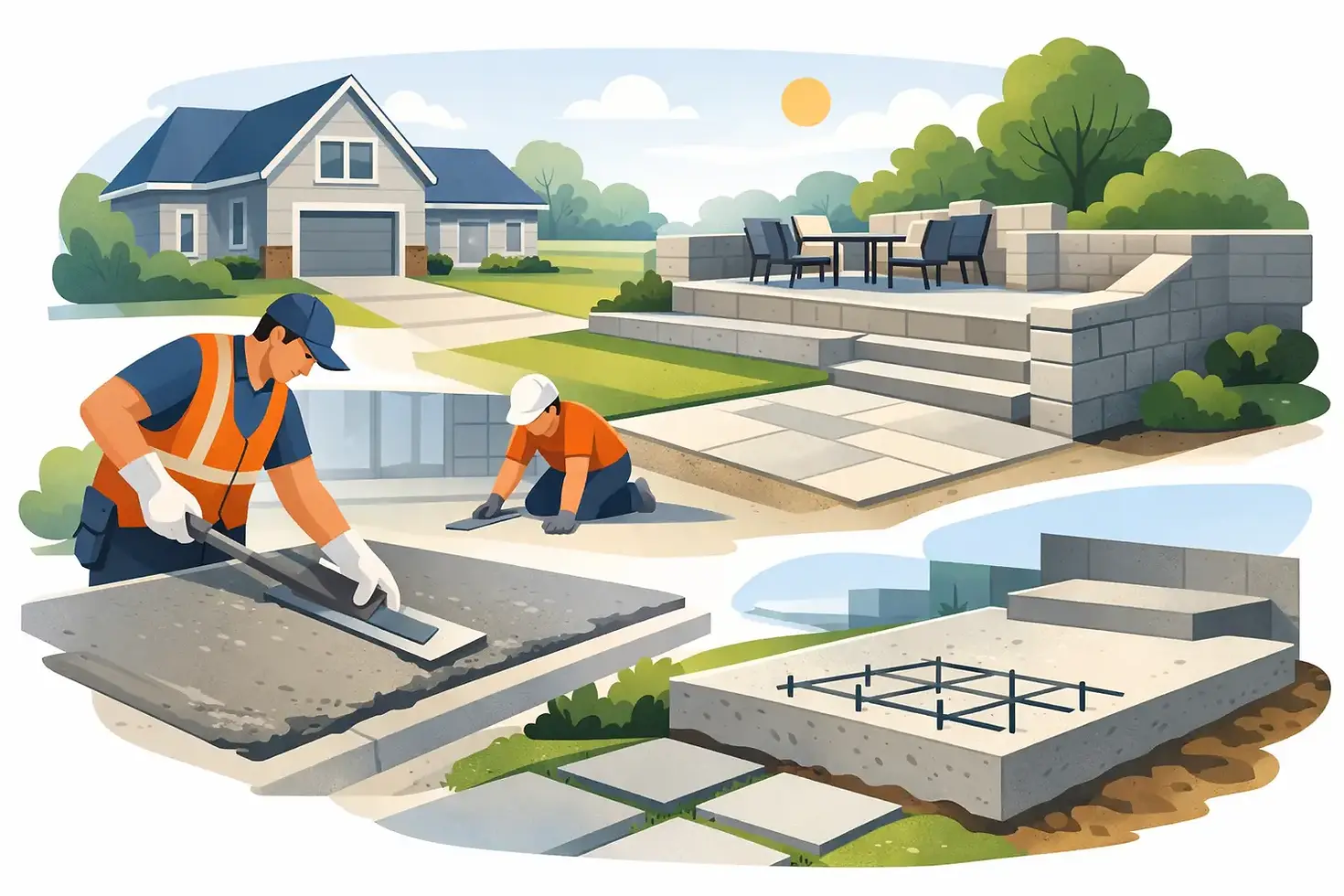
Home concrete services often cover driveways, patios, walkways, house slabs, shed pads, steps, edging, and site prep for new outdoor areas. Some jobs are purely practical. Others need more attention to presentation. Most sit somewhere in the middle, where strength and appearance both matter.
Driveways, patios, and paths need different thinking
Not all residential concrete is the same, and that is where experience shows. A driveway takes vehicle traffic, turning pressure, and weather exposure, so the base work and reinforcement matter. It also needs to look right from the street because it frames the front of the property.
A patio is different. Here, comfort, layout, and finish often matter just as much as strength. The concrete needs to suit outdoor furniture, foot traffic, and the style of the home. A plain finish may be the right choice for one property, while exposed aggregate or colored concrete may be a better fit for another.
Paths sit somewhere between the two. They need to be practical, safe underfoot, and easy to maintain, but they also help tie a property together. If the finish, width, or alignment is off, you notice it quickly. A good contractor does not treat these as small throwaway jobs. Even a short path can lift or drag down the look of a whole yard.
Why site prep matters as much as the pour
People often focus on the concrete they can see. The real quality starts underneath. Poor excavation, weak subgrade preparation, or rushed formwork can cause movement, pooling water, edge breakdown, and premature cracking.
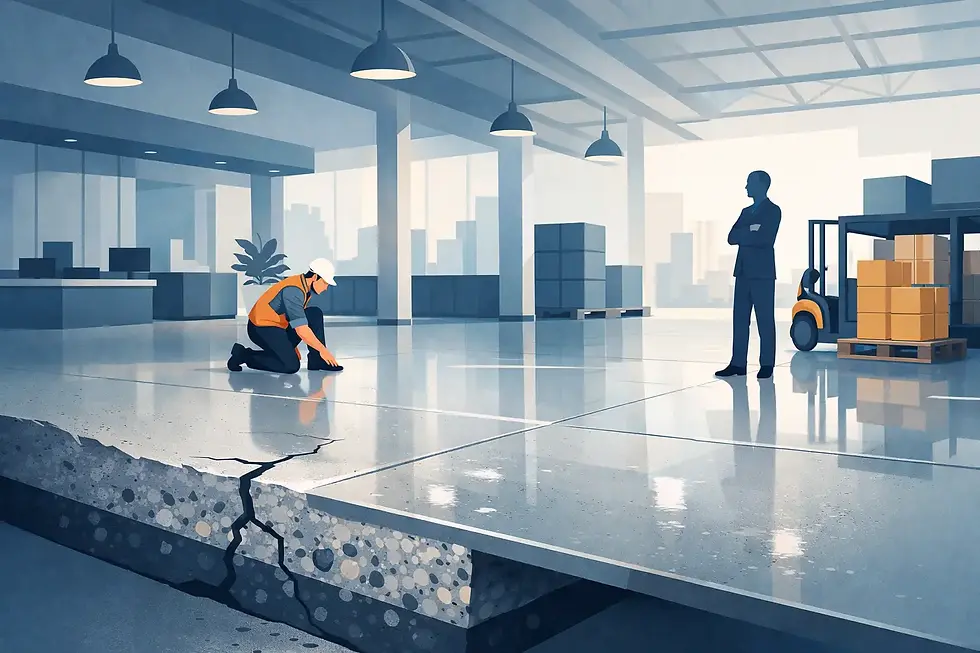
That does not mean every crack equals a bad job. Concrete can develop minor surface cracking over time because it is a rigid material and conditions change. But there is a big difference between normal aging and failure caused by bad preparation. If the area was not excavated correctly, compacted properly, or boxed accurately, problems show up sooner and usually cost more to fix later.
This is why full-service operators tend to deliver better outcomes. When the same team handles excavation and boxing framework before the pour, they can control levels, shape, drainage, and finish from day one. It saves time, but more importantly, it protects the result.
Choosing the right finish for home concrete services
Finish selection is where practical use and appearance come together. The right finish depends on the area, the style of the property, the expected wear, and your budget. There is no single best option for every home.
Plain concrete is clean, simple, and cost-effective. It works well for house slabs, utility areas, and many driveways or paths where a straightforward finish is the priority. Colored concrete adds more visual warmth and can help tie outdoor surfaces into the home exterior or surrounding landscape.
Exposed aggregate remains a strong choice for homeowners who want texture, grip, and a more decorative look without going over the top. It suits driveways, paths, and patios well, especially when presentation matters from the street or in outdoor entertaining areas.
Broom, sponge, swirl, and troweled finishes each have their place too. Some are better for slip resistance. Some give a smoother or more refined appearance. The right recommendation depends on where the concrete is going and how it will be used. That is where experienced advice saves people from choosing a finish that looks good on day one but does not suit daily life.
There is also room for something more distinctive. Decorative glow stone concrete can create a real feature in the right setting, especially in outdoor living spaces or pathways where nighttime effect matters. It is not for every project, and that is the point. A contractor with broad finishing capability can match the finish to the job instead of pushing the same look everywhere.
Home concrete services are about timing too
A concrete project can hold up other parts of a build or renovation if it is not managed properly. Homeowners want the work done without unnecessary disruption. Builders and developers want crews that show up, stay organized, and keep the project moving.
That is why timing matters almost as much as workmanship. Fast does not mean rushed. It means knowing how to plan the sequence, prepare the site properly, coordinate the pour, and finish the surface within the right window. Good concrete work depends on timing at every stage, from prep through curing.
When a contractor has real experience across residential and commercial jobs, they usually bring a more disciplined approach to scheduling. They understand what can be done quickly and what should not be pushed. That balance matters because the cheapest shortcut often becomes the most expensive repair.
What to look for in a contractor
If you are comparing home concrete services, the first thing to check is scope. Can they handle only the pour, or can they take care of excavation, prep, boxing, finishing, and sealing as well? A wider service scope usually means fewer moving parts and a more consistent result.
The second thing is finish quality. Ask what finishes they regularly install, not just what they say they can do. There is a difference between a contractor who occasionally attempts decorative work and one who does it as part of their everyday service.
The third is communication. You want clear quoting, realistic time frames, and direct answers. Concrete jobs have variables. Ground conditions change. Weather can shift plans. Good operators explain that upfront instead of going quiet when something changes.
Lastly, look at whether they care about presentation. Concrete is practical, but it is also highly visible. Contractors who take pride in workmanship and presentation tend to be the ones who pay attention to edges, levels, finish consistency, and clean site completion.
When full-service concrete makes the most sense
For many residential projects, hiring one contractor to handle the complete job is simply more efficient. If you are building a new home, upgrading an outdoor area, replacing an aging driveway, or adding hard surfaces around a property, the work often overlaps. Excavation affects levels. Formwork affects layout. Finishing affects both function and street appeal.
That is where a practical operator stands out. Instead of passing parts of the job between separate crews, the work stays connected. The result is usually better organized, easier to manage, and more consistent from the ground up.
NCS Concrete Services works in that space - handling everything from driveways, patios, and paths to house floors, excavations, boxing, sealing, and specialty finishes. For customers, that means less guesswork and a clearer path from quote to completed job.
The best concrete work does not need dressing up with fancy language. It needs to be straight, solid, well-finished, and built for the way the property is used. If the team doing the job understands that, you are already starting in the right place.
Comments